
A deal to reopen the United States government has passed the Senate, moving a major budget standoff between the two main political parties closer to a resolution. The agreement still needs to be approved by the House of Representatives before the longest government shutdown in the nation’s history will officially be over.
Until the deal is fully passed, many US government services will remain closed. Around 1.4 million federal workers will either stay on unpaid leave or continue to work without receiving their salaries. This situation has put significant financial pressure on government employees and has slowed down parts of the American economy.
When Will the Shutdown Actually End?
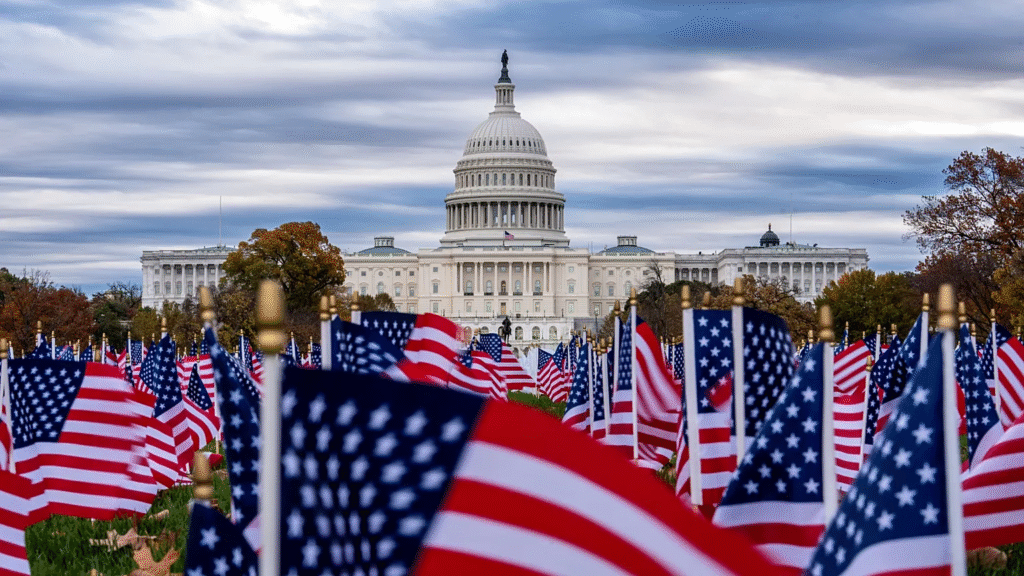
A new funding bill was approved in the Senate with a vote of 60 to 40. This was possible after seven Democrats and one independent senator voted with the Republicans. However, even if the bill passes the House of Representatives quickly and is signed by President Donald Trump, it will still take several days for the government to fully reopen.
The new deal is a temporary solution. It provides money for the federal government to operate until January 30. However, it does fund the Supplemental Nutrition Assistance Program, or SNAP, which provides food aid, until September 2026. The agreement also promises that all federal workers will get their back pay for the time they missed. President Trump has said he will support the deal.
As part of the agreement, Democrats will get a vote in December on a key issue: extending healthcare subsidies that are set to run out in 2025. This was a major point of disagreement that led to the shutdown.
What Caused the Government to Shut Down?
In the American political system, both parts of Congress, the House and the Senate, must agree on a spending plan. The president then signs it into law. The Republican party currently has control of both chambers, but they did not have the 60 votes needed in the Senate to pass an earlier spending bill.
This gave the Democratic party some power to negotiate. The Democrats’ main demand was for the bill to include an extension of tax credits that help millions of Americans afford health insurance. The House passed a temporary bill to avoid a shutdown, but it was blocked in the Senate by Democrats. As a result, on October 1, the US government shut down for the first time in almost seven years.
How Does a Shutdown Affect Daily Life?
During a shutdown, thousands of government workers who are considered non essential are sent home without pay. However, not all government functions stop. Essential services like federal law enforcement, mail delivery, and Social Security payments continue. The military has also continued to be paid.
Air traffic controllers have been required to work without pay, but many have been calling in sick. This has caused a large number of flights to be canceled or delayed across the country. Additionally, over 42 million Americans who depend on SNAP food aid have only received some of their benefits. While most federal workers do not get paid during a shutdown, members of Congress continue to receive their full salaries.
What Is the Economic Impact?
The economic damage from a government shutdown is usually limited and short term. However, it still creates significant problems. The process for getting loans and permits is delayed, and billions of dollars in federal contracts are put on hold. Unlike government workers, contractors do not get back pay when the shutdown ends. Many of these contractors are small businesses that rely on government work.
Analysts believe this shutdown has reduced economic growth by about 0.1 to 0.2 percent for each week it has continued. This is equal to about $15 billion a week in lost economic activity. Shutdowns have become a regular feature of American politics over the last few decades, with several happening during the presidencies of Ronald Reagan, Bill Clinton, and Barack Obama.


