The International Energy Agency, or IEA, announced on Wednesday that the world has officially entered an “Age of Electricity.” The agency predicts that global demand for power will increase by about 40 percent by the year 2035. This surge is being driven by the rapid growth of data centers, artificial intelligence, and the widespread electrification of transportation and industry, which are all reshaping global energy markets.
This analysis was part of the IEA’s yearly World Energy Outlook report, which was released during the COP30 climate summit in Belém, Brazil. The report highlights the urgent need for countries to build diverse and resilient energy systems. These systems must be able to handle this unprecedented growth in electricity demand while also ensuring that energy remains secure and affordable for everyone.
IEA Executive Director Fatih Birol said in a statement that it is clear the Age of Electricity has already arrived. He noted that the increasing demand is coming from several key areas. These include data centers, heating and cooling systems, electric vehicles, and industrial needs. He also pointed out that this growth in electricity use is no longer just happening in developing countries; it is now speeding up in advanced economies as well.
Data Center Investment to Exceed Oil Spending
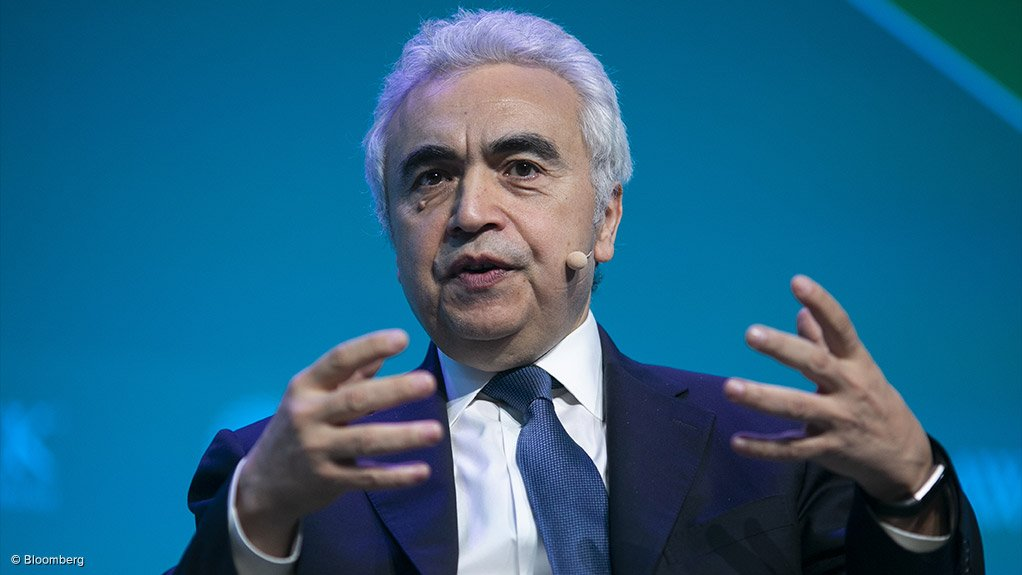
In a major shift that highlights how modern economies are changing, the IEA projects that global investment in data centers will reach $580 billion in 2025. For the first time, this figure is expected to be higher than the $540 billion that will be spent on oil supply. Fatih Birol called this a “striking example” of the new energy landscape. This massive investment in data centers is a direct result of the huge energy needs of artificial intelligence systems and cloud computing infrastructure. These sectors now consume as much power as some traditional industrial sectors.
The report also predicts that renewable energy sources, with solar power leading the way, will grow faster than any other major energy source in the coming years. At the same time, global nuclear power capacity is expected to increase by at least one-third by 2035, following many years of little to no growth. The IEA’s analysis, based on current government policies, suggests that the use of coal has already peaked or is very close to its peak. It also expects that the demand for oil will level off by 2030, while the use of natural gas will continue to grow into the next decade.
Growing Concerns Over Global Energy Security
The IEA’s new report also includes a serious warning about energy security. It states that the world is currently facing security tensions across more fuels and technologies at the same time than at any other point in recent history. The analysis stresses that countries must work to diversify their energy sources. They also need to cooperate on an international level to expand the supply chains for critical minerals. These minerals are essential for manufacturing batteries, solar panels, and wind turbines, which are all key components of the clean energy transition.
Energy experts who commented on the report emphasized that the shift towards clean power is moving forward, even with political challenges. They pointed to overwhelming evidence on the ground, such as the rapid increase in electric vehicle sales in many emerging countries and the continued growth of solar power installations worldwide. This momentum suggests that the transition to a more electrified world is well underway, creating both huge opportunities and significant challenges for nations around the globe. The need for smart investment and international cooperation has never been greater as the world navigates this new Age of Electricity.